

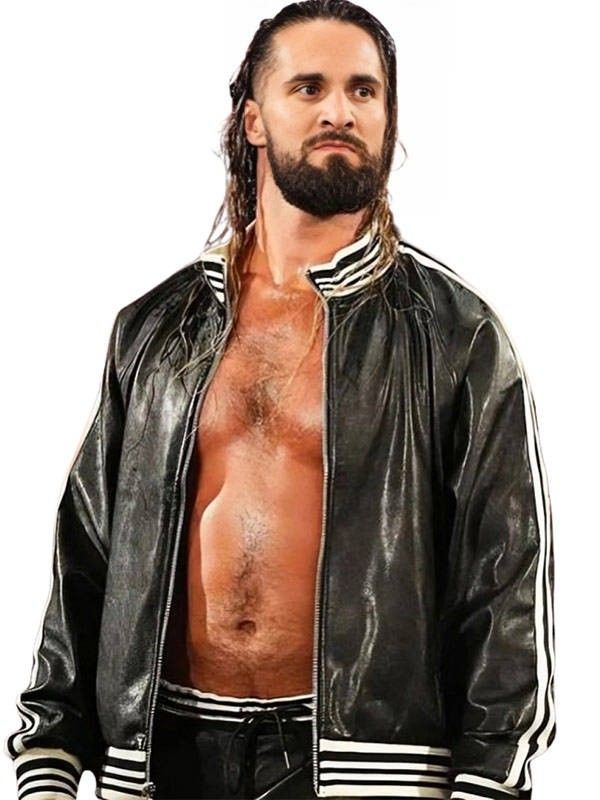
The leather jacket is more than just a stylish outer layer—it’s a symbol of rebellion, heritage, and effortless cool. Over the last century, it has evolved from a purely functional garment into an essential part of fashion culture. Let’s dive into the origins of this iconic piece and trace its journey from the skies of war to the streets of modern style.
Wartime Beginnings: The WWI Aviator Jacket
The leather jacket made its first major appearance during World War I, where it was developed for military pilots flying in open cockpits. These early “flight jackets” or “aviator jackets” were made of thick, durable leather to protect against wind and cold at high altitudes. The U.S. Army introduced the A-1 flight jacket in 1927, laying the groundwork for the bomber jackets that would become famous in the years to come.
WWII and the Rise of the Bomber Jacket
By World War II, the leather jacket was standard issue for U.S. Air Force pilots. The most iconic of these was the A-2 bomber jacket, featuring a shirt-style collar, fitted cuffs, and front pockets. It became a symbol of heroism and masculinity. Pilots often customized their jackets with squadron patches and artwork, giving each piece a unique personality and further embedding it in military lore.
Hollywood Makes It Iconic
In the post-war years, Hollywood played a pivotal role in transforming the leather jacket into a symbol of rebellion and youth culture. In the 1950s, actors like Marlon Brando in “The Wild One” and James Dean in “Rebel Without a Cause” gave the leather jacket an edgy, defiant image. The black biker jacket, particularly the Schott Perfecto, became synonymous with a countercultural attitude and anti-establishment cool.
The Punk Movement’s Uniform
In the 1970s and ’80s, the leather jacket found a new home in the punk and rock scenes. Bands like The Ramones, Sex Pistols, and The Clash wore black leather jackets as a symbol of rebellion and raw authenticity. The jacket was often DIY’d with studs, patches, and paint, turning it into a personal and political statement. It became less about style and more about identity.
High Fashion Embraces Leather
As leather jackets continued to grow in cultural relevance, they began crossing over into high fashion. Designers like Yves Saint Laurent, Jean Paul Gaultier, and later Alexander McQueen reimagined the leather jacket with couture detailing and modern cuts. It was no longer just for bikers or rebels—it became a runway staple, proving the garment’s versatility and timelessness.
Hip-Hop and Streetwear Reinvent the Look
In the late ’90s and 2000s, the leather jacket gained new life in hip-hop and streetwear. Influential artists like Kanye West, Pharrell Williams, and Rihanna brought fresh energy to the style, often combining it with urban and luxury aesthetics. Colored leathers, oversized silhouettes, and bold embellishments made the jacket more expressive and fashion-forward than ever before.
Sustainable and Vegan Leather in Modern Fashion
Today, the leather jacket continues to evolve—not just stylistically, but ethically. With growing awareness of sustainability and animal rights, brands now offer high-quality vegan leather alternatives. Materials like PU, mushroom leather, and recycled fibers are being used to craft jackets that offer the same iconic look with less environmental impact. The leather jacket’s evolution reflects broader shifts in fashion’s values and technologies.
The Leather Jacket Today: A Symbol of Self-Expression
From military gear to fashion icon, the leather jacket has adapted to every era while retaining its core identity. It’s a garment that speaks to strength, individuality, and authenticity. Whether worn as a minimalist staple, a punk statement, or a designer piece, the leather jacket remains one of the few items in fashion that never goes out of style.
Conclusion: More Than Just a Jacket
The leather jacket has outlasted trends, wars, and cultural revolutions. Its journey from the cockpit to the catwalk is a testament to its unique blend of form, function, and symbolism. What started as a protective layer for pilots has become a blank canvas for generations to project their identity, values, and style. And as fashion continues to evolve, the leather jacket isn’t going anywhere—it’s simply changing with the times.