

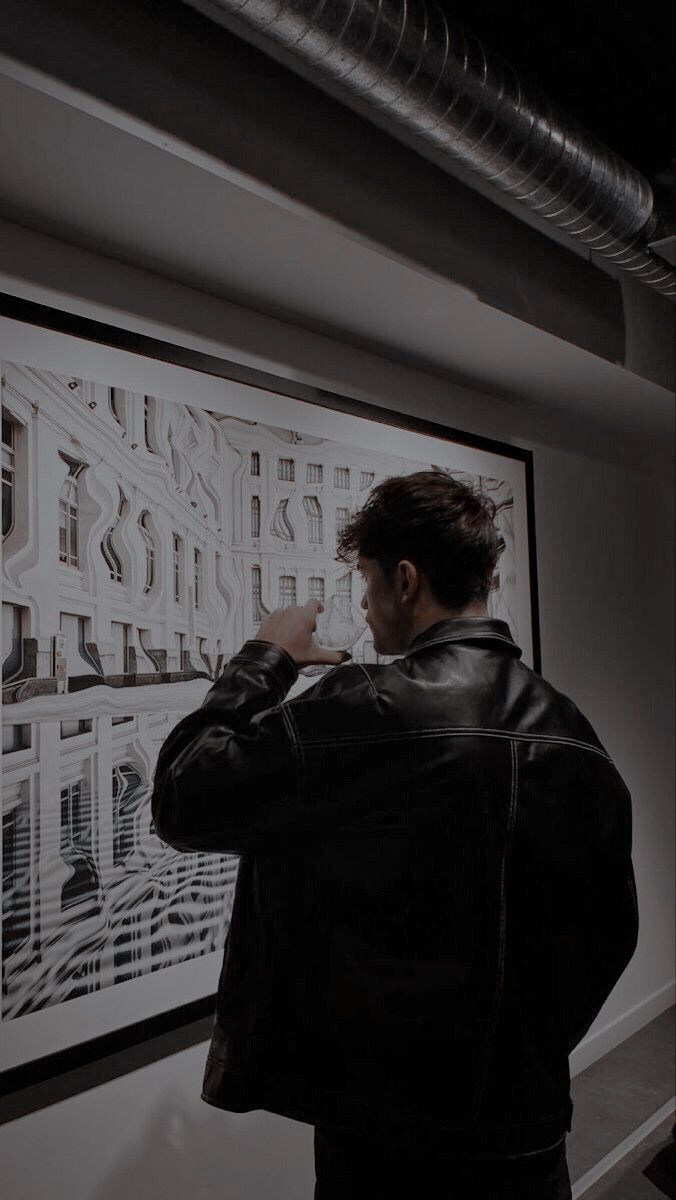
There’s something undeniably cool about a vintage leather jacket. Whether it’s the well-worn texture, unique patina, or classic cuts that have stood the test of time, a vintage leather jacket brings character and history to any wardrobe. But buying one isn’t quite like picking up a brand-new piece off the rack—it takes a sharp eye, some knowledge, and a bit of patience. If you’re in the market for a vintage leather jacket, here’s what you should know before making the investment.
1. Start with the Leather Quality
Not all leather is created equal, and this is especially true in vintage pieces. Look for full-grain or top-grain leather, which ages well and maintains its durability over decades. If the leather feels thin, plasticky, or overly stiff in all the wrong ways, it may be of lower quality or even faux leather. A good vintage jacket will have a supple feel, with natural creasing and character that tells a story—not signs of breakdown.
2. Check the Condition of the Leather
Wear is part of the appeal in vintage jackets, but there’s a fine line between charmingly aged and falling apart. Look for cracks, dry rot, or peeling—these are signs that the leather hasn’t been properly cared for and may not last much longer. Light scuffs or fading are fine and can actually enhance the vintage vibe, but the leather should still feel strong and flexible.
3. Inspect the Stitching and Seams
Strong stitching is key to the structural integrity of the jacket. Check the seams along the shoulders, arms, and sides for any fraying or loose threads. Vintage jackets often used high-quality construction methods, but years of wear can take a toll. Reinforced seams are a good sign, while unraveling thread or gaping holes are red flags unless you’re willing to invest in repairs.
4. Test the Zippers and Hardware
Zippers, buttons, and snaps are more than just functional—they add to the style and authenticity of a vintage jacket. Make sure all hardware works smoothly. Stuck or broken zippers can be replaced, but finding era-accurate replacements can be tricky and costly. Original hardware is a huge plus and often reflects the craftsmanship of the time period.
5. Look for the Label and Origin
The label inside the jacket can tell you a lot—brand, origin, and sometimes the era it was made in. Renowned vintage brands like Schott, Harley-Davidson, Avirex, or Wilsons Leather are highly sought after and usually indicate good quality. Jackets made in the U.S., Italy, or the U.K. often carry a reputation for durable craftsmanship. If the label is missing, look for other signs of authenticity like dated tags or unique lining patterns.
6. Consider the Fit
Vintage sizing can differ dramatically from modern sizing, so always try it on if you can. Older jackets may run smaller in the shoulders or chest, especially men’s styles from the ’60s and ’70s. Don’t rely solely on the size listed—focus on how it fits across your shoulders, arms, and torso. A tailor can tweak the fit slightly, but leather isn’t as forgiving as other fabrics when it comes to alterations.
7. Smell Test the Jacket
Yes, seriously—give it a sniff. Vintage leather jackets can hold onto strong odors like smoke, mildew, or mustiness if they’ve been stored improperly. While some smells can be cleaned out by a professional, deeply embedded odors can be tough (and expensive) to remove. A good vintage jacket should smell like clean, aged leather—rich, warm, and maybe a little nostalgic.
8. Evaluate the Lining
A lot of people forget to check the inside, but the lining is just as important. Look for rips, holes, or major stains. Some minor wear is expected, but if the lining is shredded or falling apart, it might require full replacement. Jackets with intact original lining are often more valuable and comfortable to wear.
9. Know the Era and Style You Want
Not all vintage leather jackets are created with the same aesthetic. Bomber jackets, café racers, biker jackets, and aviator styles all have unique silhouettes and histories. Research the style you want and the decades it was most popular to better recognize authentic pieces. This will help you avoid modern knock-offs or replicas being passed off as vintage.
Conclusion
Buying a vintage leather jacket is a bit like treasure hunting—it requires a mix of patience, passion, and a discerning eye. When you find the right one, it’s not just a piece of clothing, it’s a piece of history that becomes a signature part of your wardrobe. Focus on quality, fit, condition, and authenticity to make sure your vintage find is worth the investment. With the right care, a good vintage leather jacket won’t just last—it’ll get even better with time.